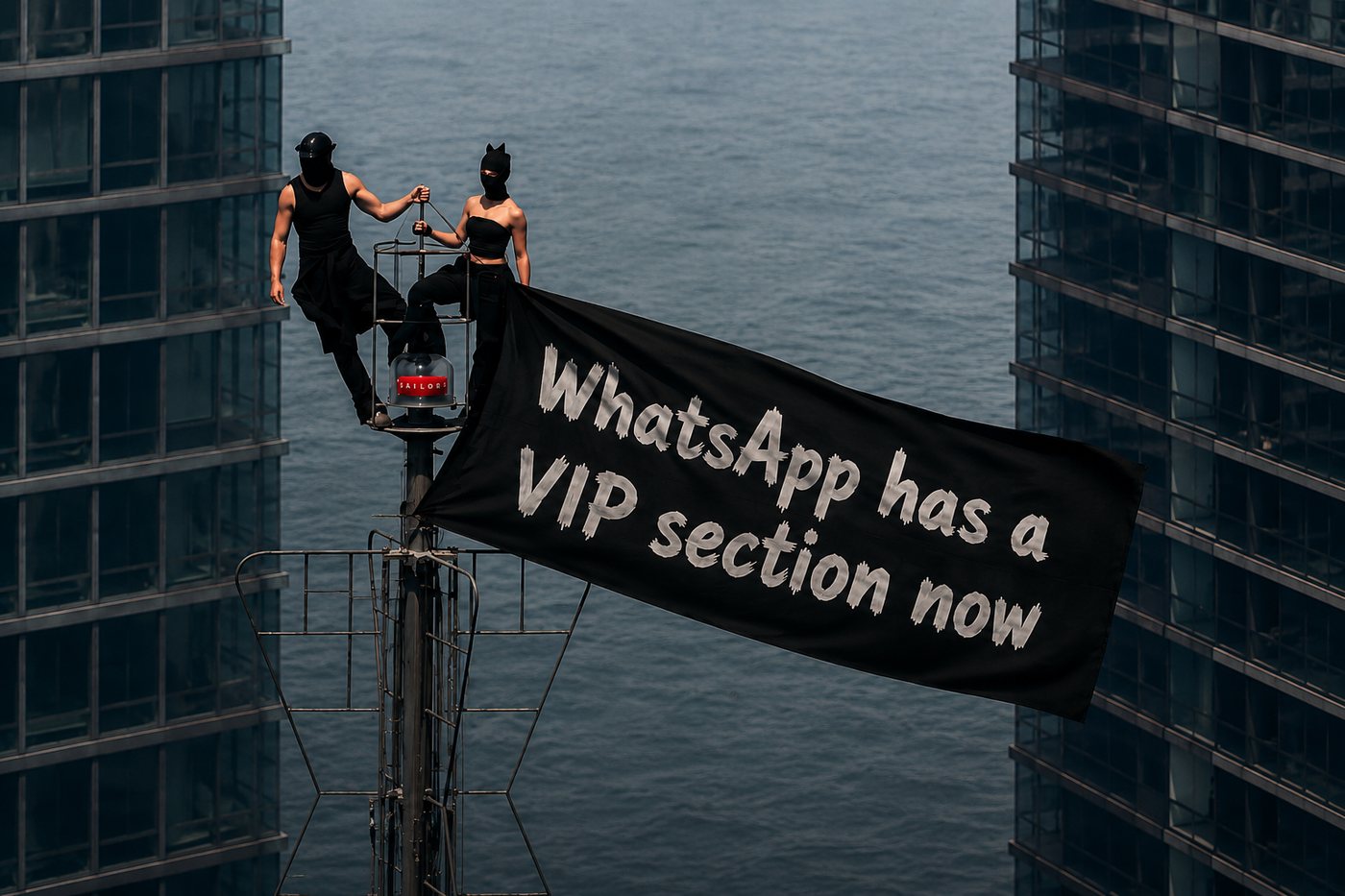
The identity economy arrives in South Africa.
Meta's new paid tier lets you theme the app, animate your stickers and stand out. Everyone is laughing at the ringtones. They are missing what it actually is.
Start with why it exists
Meta can no longer advertise its way through your chats. WhatsApp is encrypted, so the surveillance advertising machine cannot read it. Add tightening privacy law, from Brussels to POPIA here at home, and behavioural targeting hits a ceiling it cannot lift. Subscription is the one revenue line regulators cannot touch. Read this less as a cosmetic update and more as a lifeboat, built before it is needed.
It also arrives at a telling moment. This is the same company that just passed Google in ad revenue. When the biggest advertising business on earth starts building revenue that does not depend on reading you, pay attention to the timing.
We have paid to be seen before. We called it the caller tune.
We paid MTN every month so that other people heard our song when they called. WhatsApp now plays your animated sticker on the other person's screen, even if they never paid a cent. You buy the identity, and the people who did not buy it become your billboard. The trick is twenty years old. What has changed is the scale.
Now price it
This is not a themes update. On the numbers, it is one of the biggest consumer launches in history.
Snapchat cleared 25 million subscribers selling wallpapers and Bitmoji polish. WhatsApp's three billion sit on infrastructure that is already paid for. One percent of three billion, at three dollars a month, is a billion dollars a year, off a feature that costs almost nothing to ship.
Here is what it actually costs us
WhatsApp was the one flat space we had left. The tool never cared whether you were on a new iPhone or an old Android. Now your stickers animate and mine do not, in the same family group, the same stokvel, the same church chat. That is not personalisation. It is a visible paid line drawn through the infrastructure a whole country runs on.
In a market where WhatsApp is effectively the internet for millions of people, that line matters more than it does almost anywhere else. It is the same pattern I keep flagging when brands drown in data and starve for humanity. The tool knows what you can afford. It has never had to show it. Now it does.
The lesson is clean
Monetise expression. Never monetise access. Keep what people depend on free, and price what they use to say who they are. The strongest upsell is the one your own users advertise for you, simply by being seen. That is the entire model on one line, and it is worth studying whether you are building a super app or a small brand on the same platforms.
The question is not whether South Africa will pay. It is what we will make visible, and what we will quietly make people pay to keep up with.